
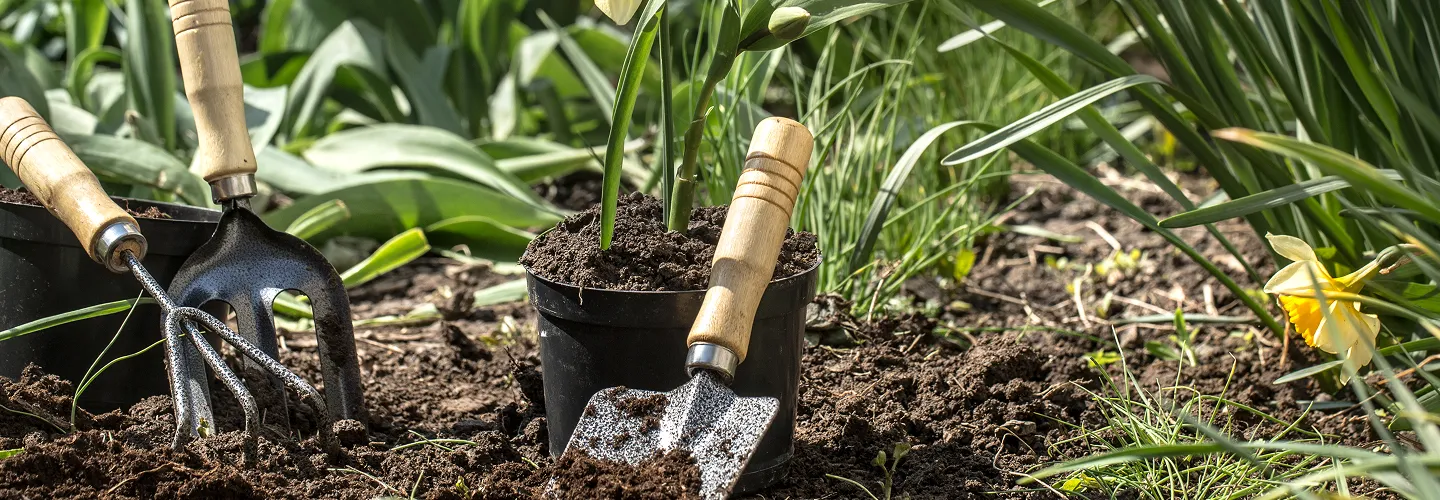
Charlotte Harbor Flower Bed Maintenance Services
Choose our Flower Bed Maintenance for expert care, vibrant blooms, and a hassle-free, beautiful landscape that enhances your home's curb appeal.
Get a Free QuoteOur Charlotte Harbor Landscaping & Yard Care Services
When to Schedule Flower Bed Maintenance in Charlotte Harbor, Florida – Seasonal Guide
In Charlotte Harbor, Florida, the timing of flower bed maintenance is closely tied to our unique subtropical climate and the specific needs of local landscapes. The best periods for comprehensive maintenance are typically late winter through early spring and again in early fall. These windows allow homeowners to prepare beds before the intense summer heat and after the risk of frost has passed, ensuring plants thrive throughout the year. Neighborhoods near Punta Gorda Isles and along Edgewater Drive often experience microclimates influenced by proximity to the harbor, which can affect soil moisture and temperature.
Local environmental factors play a significant role in determining the optimal schedule. For example, Charlotte Harbor’s sandy soils drain quickly, requiring more frequent mulching and soil amendments. Humidity levels can promote fungal growth, especially in shaded areas beneath mature oaks or palms common in Deep Creek and Port Charlotte. Additionally, understanding the last frost date—usually in late January—helps prevent premature planting or pruning. For more information on local regulations and best practices, visit the official municipal resource.
Local Factors to Consider for Flower Bed Maintenance in Charlotte Harbor
- Tree density and shade coverage, especially in neighborhoods with mature landscaping
- Soil type and drainage, with sandy soils requiring special attention
- Seasonal precipitation patterns and drought risk
- Proximity to saltwater or brackish environments
- Municipal restrictions on water usage or fertilizer application
- Terrain variations, such as sloped yards or low-lying areas prone to pooling
Benefits of Flower Bed Maintenance in Charlotte Harbor

Enhanced Curb Appeal
Weed and Pest Control
Healthier Plant Growth
Seasonal Color Management
Professional Expertise
Time and Effort Savings
Charlotte Harbor Flower Bed Maintenance Types

Seasonal Flower Planting
-
Weed Control Services
-
Mulching and Soil Conditioning
-
Edging and Border Maintenance
-
Fertilization Programs
-
Pest and Disease Management
-
Pruning and Deadheading
Our Flower Bed Maintenance Process
Site Evaluation
Weed Removal
Soil Cultivation
Mulching
Plant Health Inspection
Why Choose Charlotte Harbor Landscape Services
-
Charlotte Harbor Homeowners Trust Us
-
Expert Lawn Maintenance
-
Reliable Irrigation Solutions
-
Comprehensive Tree and Shrub Care
-
Competitive Pricing
-
Professional and Courteous Team
-
Satisfaction Guarantee
Coordinating Flower Bed Maintenance With Charlotte Harbor's County Departments and Programs
Flower bed maintenance in Charlotte Harbor involves more than routine planting and weeding. Because the community falls within unincorporated Charlotte County, residents and property managers should coordinate vegetative debris disposal, irrigation practices, and bed-area runoff management through county-level departments. Yard waste generated from flower bed cleanups—including spent annuals, pulled weeds, and old mulch—must be handled according to Charlotte County's vegetative debris collection procedures. Property owners should verify current curbside pickup schedules and bundling requirements directly with the county to avoid code compliance issues.
- Coordinate vegetative debris removal through Charlotte County Public Works, which oversees curbside collection and right-of-way maintenance
- Confirm that bed maintenance debris is separated from household waste and placed according to county guidelines
- Avoid depositing organic material into swales, canal edges, or stormwater inlets adjacent to flower beds
For properties near county-maintained parks or greenways, flower bed work along shared boundaries should respect public landscape standards. The Charlotte County Parks department can clarify setback expectations and planting compatibility near public amenities.
Charlotte County Public Works
18500 Murdock Circle, Port Charlotte, FL 33948
Official Website: Charlotte County Public Works
How Charlotte Harbor's Gulf Coast Soils and Climate Shape Flower Bed Health
Charlotte Harbor sits within the Gulf Coast Florida climate zone, classified under USDA Hardiness Zone 10a. This designation supports a wide range of subtropical and tropical bedding plants but also introduces persistent environmental pressures that directly affect flower bed performance. The area's soils are predominantly sandy and shell-influenced, with rapid drainage that accelerates nutrient leaching from planting beds. Many residential lots in Charlotte Harbor were developed on fill material, which can create inconsistent moisture retention across even a single bed.
- Heat intensity: Summer temperatures regularly exceed 90°F with high humidity, stressing shallow-rooted annuals and accelerating mulch decomposition
- Wet-season saturation: From June through October, heavy afternoon rainfall can waterlog beds lacking adequate drainage, promoting root rot in species such as impatiens and begonias
- Sandy, low-organic soils: Native and fill soils in Charlotte Harbor hold minimal nutrients, requiring regular organic amendment and careful fertilizer placement to avoid runoff into nearby canals and retention systems
- Salt exposure: Properties closer to Charlotte Harbor's waterfront may experience salt spray or brackish groundwater influence, limiting species selection and increasing irrigation demand for salt-sensitive plantings
These conditions make irrigation emitter placement, soil amendment, and species selection critical rather than optional steps in flower bed maintenance. The UF/IFAS guidance on protecting Florida's water resources provides additional context on managing nutrient movement from landscaped beds in coastal Gulf communities.
Navigating Charlotte Harbor's Regulatory Requirements for Flower Bed Care
Flower bed maintenance in Charlotte Harbor must account for several layers of county and state regulation, particularly regarding fertilizer application, pesticide use, and stormwater protection. Charlotte County's fertilizer ordinance, aligned with Florida Statutes §403.9337, establishes seasonal restrictions on nitrogen and phosphorus application to urban landscapes, including flower beds. Property owners and maintenance providers should verify current blackout periods and application rate limits through the county before fertilizing beds.
- Any commercial pesticide application to flower beds requires proper licensing through the Florida Department of Agriculture and Consumer Services
- Fertilizer granules, soil amendments, and organic debris must be kept out of stormwater conveyances, including swales, curb inlets, and canal banks, consistent with the Florida DEP NPDES Stormwater Program
- Bed renovations that alter grade or drainage flow near rights-of-way or easements may require coordination with county engineering
Conservation Charlotte
Official Website: Conservation Charlotte
Properties adjacent to environmentally sensitive areas, wetlands, or canal systems should consult Conservation Charlotte for guidance on buffer requirements and Florida-Friendly planting practices that minimize nutrient export from maintained beds.
Timing Flower Bed Maintenance Around Charlotte Harbor's Wet Season and Heat Cycles
Professional flower bed maintenance in Charlotte Harbor follows a seasonal rhythm dictated by the Gulf Coast's pronounced wet and dry seasons. Scheduling bed work around these cycles improves plant survival, reduces waste, and protects water quality.
- October through May (dry season): This is the primary window for bed renovation, soil amendment, and installation of cool-season annuals such as petunias, snapdragons, and dianthus. Reduced rainfall allows amendments to integrate into sandy soils without immediate leaching. Irrigation emitters should be checked and adjusted to compensate for lower natural moisture.
- June through September (wet season): Focus shifts to weed suppression, deadheading, mulch replenishment, and drainage monitoring. Beds should be inspected after heavy rain events for washout, mulch displacement, and standing water. Avoid fertilizer application during peak wet-season months unless permitted under the county's fertilizer ordinance schedule.
- Mulch management: Maintain organic mulch at approximately two to three inches depth year-round. Replenish after storms or when decomposition exposes bare soil. Avoid piling mulch against plant stems, which promotes crown rot in humid conditions.
- Irrigation coordination: Use drip emitters or micro-spray heads rather than overhead irrigation to reduce foliar disease pressure and water waste. The EPA WaterSense program provides guidance on efficient outdoor irrigation practices applicable to flower bed zones.
Weed flushes in Charlotte Harbor are most aggressive following summer rain events. Hand removal before seed set, combined with pre-emergent barriers where appropriate, reduces long-term weed pressure without excessive chemical reliance.
Charlotte County Utilities
Official Website: Charlotte County Utilities
Residents should confirm current watering restriction schedules with Charlotte County Utilities, as irrigation allowances may vary by water management district directive and drought stage.
What Neighborhoods Do We Serve Throughout Charlotte Harbor, FL?
- Harbour Heights: Properties in this area often feature sandy, well-drained lots with full sun exposure, requiring frequent mulch replenishment and irrigation monitoring for flower beds to retain moisture through the dry season.
- Charlotte Harbor Proper: Waterfront and near-waterfront parcels face salt spray influence and brackish groundwater, narrowing the range of viable bedding plants and increasing the need for salt-tolerant species selection.
- Murdock Village: This redevelopment area includes a mix of older residential lots and newer construction, where fill soils and compacted subgrades may require additional bed preparation and organic amendment before planting.
- Port Charlotte (adjacent unincorporated areas): Larger residential lots with mature landscaping often present shade challenges for flower beds, requiring species adapted to filtered light and competition from established tree root systems.
- Punta Gorda Isles (nearby service area): Canal-front properties demand careful nutrient management in flower beds to prevent fertilizer and soil runoff from entering the extensive canal network.
- Deep Creek: This planned community features HOA-maintained common areas alongside private lots, where flower bed standards may be governed by community covenants in addition to county regulations.