
Charlotte Harbor Mulching Services
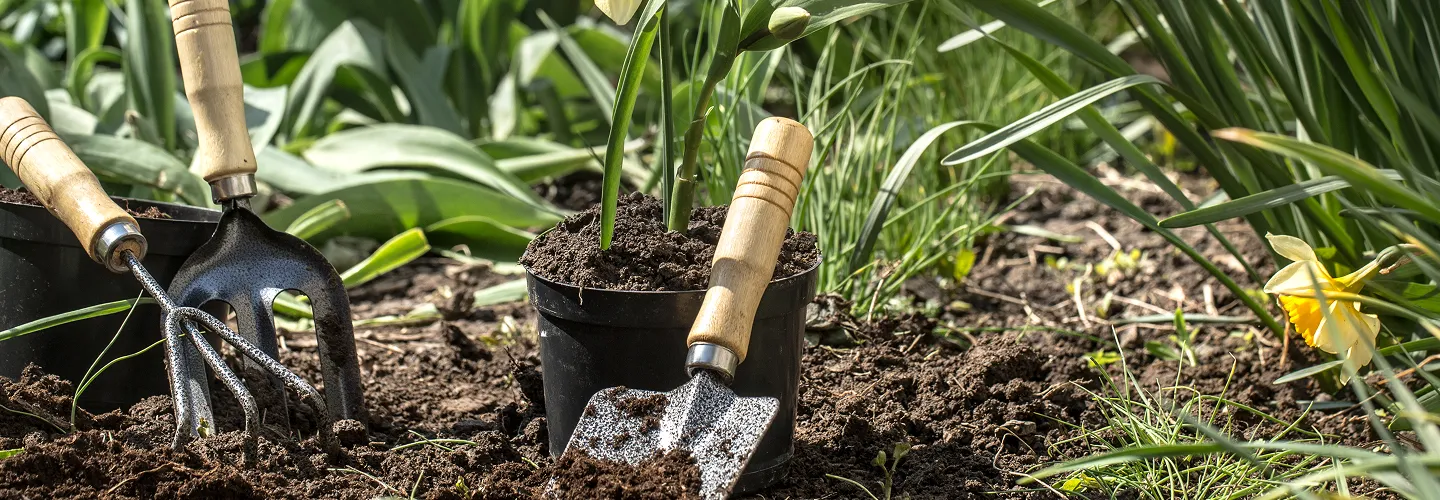
Choose our mulching services for expert care that enriches your soil, conserves moisture, and enhances curb appeal—delivering a healthier, more vibrant landscape that thrives all year long.
Get a Free QuoteOur Charlotte Harbor Landscaping & Yard Care Services
When to Schedule Mulching in Charlotte Harbor, Florida – Seasonal Guide
In Charlotte Harbor, Florida, timing your mulching service is crucial for maintaining healthy, vibrant landscapes throughout the year. The region’s subtropical climate, with its warm winters and humid summers, means that the best periods for mulching are typically late winter to early spring and again in early fall. Applying mulch before the onset of the rainy season helps retain soil moisture and suppresses weed growth, while a fall application can protect roots from unexpected cold snaps and prepare your garden beds for the cooler months ahead.
Local environmental factors play a significant role in determining the optimal mulching schedule. For example, neighborhoods near the Peace River or Punta Gorda Isles may experience higher humidity and occasional flooding, making it important to choose mulch types that resist mold and decompose slowly. Areas with sandy soils, such as those around Burnt Store Marina, benefit from mulching just before the dry season to conserve water. Additionally, understanding local frost dates and municipal guidelines—available through resources like the Town of Sudbury’s website—can help you plan your mulching for maximum effectiveness and compliance.
Local Factors to Consider for Mulching in Charlotte Harbor
- Tree density and shade coverage in your yard
- Soil type (sandy, loamy, or clay)
- Proximity to water bodies and flood-prone areas
- Seasonal precipitation patterns and drought risk
- Municipal restrictions or neighborhood association guidelines
- Terrain slope and drainage characteristics
Benefits of Mulching in Charlotte Harbor
Enhanced Soil Moisture Retention
Weed Growth Suppression
Improved Curb Appeal
Temperature Regulation for Plant Roots
Reduced Soil Erosion
Eco-Friendly Landscaping Solutions
Charlotte Harbor Mulching Types

Pine Bark Mulch
Pine bark mulch is a popular choice for landscaping due to its natural appearance and ability to retain moisture.
-
Cypress Mulch
Cypress mulch offers excellent durability and helps suppress weeds in garden beds.
-
Hardwood Mulch
Hardwood mulch provides a long-lasting ground cover that enriches soil as it decomposes.
-
Rubber Mulch
Rubber mulch is made from recycled materials and is ideal for playgrounds and high-traffic areas.
-
Colored Mulch
Colored mulch adds visual appeal to landscapes and is available in a variety of shades.
-
Pine Straw Mulch
Pine straw mulch is lightweight and helps prevent soil erosion on slopes and hillsides.
-
Rock Mulch
Rock mulch is a low-maintenance option that provides excellent drainage and a clean look.
Our Mulching Process
Site Preparation
Weed Removal
Mulch Selection
Mulch Application
Final Inspection
Why Choose Charlotte Harbor Landscape Services
-
Charlotte Harbor Homeowners Trust Us
-
Expert Lawn Maintenance
-
Reliable Irrigation Solutions
-
Comprehensive Tree and Shrub Care
-
Competitive Pricing
-
Professional and Courteous Team
-
Satisfaction Guarantee
Coordinating Mulching Services Through Charlotte Harbor's County Resource Programs
Charlotte Harbor is an unincorporated community within Charlotte County, meaning residents and property managers coordinate landscape services—including mulching—through county-level departments rather than a municipal government. Charlotte County's Public Works division oversees right-of-way maintenance, vegetative debris collection, and stormwater infrastructure protection, all of which intersect with mulching activity on residential and commercial properties. When mulch is delivered or installed near swales, drainage easements, or canal banks, property owners should ensure that loose material does not migrate into stormwater conveyance systems. The county's Conservation Charlotte program also provides guidance on environmentally responsible landscape practices, including mulch selection that supports Florida-Friendly principles. Residents should verify current yard waste and bulk material disposal procedures through Public Works before beginning large-scale mulching projects.
- Confirm vegetative debris and excess mulch disposal rules with Charlotte County Public Works before scheduling delivery
- Avoid staging bulk mulch piles on swale edges, canal banks, or near stormwater inlets
- Review Conservation Charlotte resources for guidance on sustainable mulch material choices
- Contact the county engineering division if mulching occurs near graded drainage areas or retention features
Charlotte County Public Works
7000 Florida St, Punta Gorda, FL 33950
Official Website: Charlotte County Public Works
Conservation Charlotte
Official Website: Conservation Charlotte
How Charlotte Harbor's Gulf Coast Soils and Climate Shape Mulching Needs
Charlotte Harbor sits within USDA Hardiness Zone 10a along Florida's Gulf Coast, where subtropical heat, high humidity, and a pronounced wet season from June through October define the landscape environment. The area's sandy coastal soils drain rapidly but retain very little organic matter or moisture, making mulch an essential tool for moderating root-zone temperatures and reducing evaporation around plantings. According to the USDA Web Soil Survey, much of the Charlotte Harbor area features sandy, poorly structured soils that benefit significantly from organic mulch decomposition over time. The proximity to Charlotte Harbor and the Peace River estuary introduces salt exposure on waterfront properties, which can accelerate mulch breakdown and influence material selection. During the wet season, intense rainfall events can displace improperly installed mulch, washing fine particles into swales, retention ponds, and canal systems that ultimately connect to the harbor.
- Sandy soils lose moisture rapidly; mulch layers help buffer root zones against daily summer heat exceeding 90°F
- High humidity promotes fungal activity in mulch beds, requiring attention to depth and air circulation
- Salt-laden wind on waterfront lots accelerates organic mulch decomposition
- Wet-season downpours can displace lightweight mulch into stormwater infrastructure
Navigating Charlotte County's Stormwater and Land Use Rules for Mulching
While mulching itself does not typically require a permit in Charlotte County, property owners should be aware of several regulatory intersections. Mulch placed within drainage easements, along canal edges, or near retention ponds must not obstruct stormwater flow or contribute sediment to the county's MS4 (Municipal Separate Storm Sewer System) infrastructure. The Florida DEP NPDES Stormwater Program establishes the framework under which Charlotte County manages stormwater discharge quality, and displaced mulch material entering waterways can constitute a compliance concern. Properties adjacent to environmentally sensitive areas—including mangrove buffers, wetland edges, and conservation easements—should consult with the county's Community Development department before installing mulch in those zones. The UF/IFAS guidance on protecting Florida's water resources recommends maintaining mulch rings around trees and beds rather than spreading material across open ground where runoff can carry it offsite.
- Do not place mulch within active drainage swales or over stormwater inlet grates
- Properties near conservation lands or wetland buffers should verify setback and material restrictions through Community Development
- Dyed mulch products should be confirmed free of contaminants before use near waterways
- Excess or displaced mulch must be collected and disposed of properly, not swept into canal systems
Charlotte County Community Development
18400 Murdock Circle, Port Charlotte, FL 33948
Official Website: Charlotte County Community Development
Timing and Methods for Mulching Around Charlotte Harbor's Seasonal Patterns
Professional mulching in the Charlotte Harbor area follows seasonal timing that accounts for the Gulf Coast's heat cycle and rainfall distribution. The optimal window for initial mulch application is late winter through early spring—typically February through April—when beds can be prepared before the wet season begins and summer heat intensifies. A second maintenance application or top-dressing in early fall, after the heaviest rains subside, helps restore depth lost to decomposition and displacement. The USDA Plant Hardiness Zone Map confirms Charlotte Harbor's warm subtropical classification, which means organic mulches decompose faster here than in cooler regions and require more frequent replenishment.
- Maintain mulch depth between two and three inches; deeper layers can trap excess moisture and promote root rot in Florida's humid conditions
- Keep mulch pulled back two to three inches from plant stems and tree trunks to prevent bark decay and pest harborage
- Use coarser mulch products such as pine bark nuggets or melaleuca mulch in areas prone to heavy rain displacement
- Fine-textured mulches work well in sheltered bed areas but may wash out on slopes or near downspout discharge points
- Apply mulch over pre-moistened soil to improve initial contact and reduce wind displacement before the material settles
Charlotte County Public Works Engineering
Official Website: Charlotte County Public Works Engineering
What Neighborhoods Do We Serve Throughout Charlotte Harbor, FL?
- Charlotte Harbor Proper — Waterfront lots along the harbor face salt exposure and wind, requiring heavier mulch products that resist displacement and tolerate accelerated decomposition from brackish air.
- Edgewater — This established residential area features mature landscaping with large tree canopies, where mulch rings around root zones help retain moisture in sandy soils shaded by dense overhead cover.
- Harbor Heights — Larger lot sizes and open sun exposure in this community demand consistent mulch coverage to moderate soil temperatures and reduce irrigation demand across expansive planting beds.
- Charlotte Ranchettes — Semi-rural parcels with mixed native and ornamental plantings benefit from organic mulch applications that gradually improve the nutrient-poor sandy soils common throughout the area.
- Murdock — Newer subdivision development in portions of Murdock often involves fill soils with variable drainage; mulch installation should account for compacted subgrade and potential water pooling around bed edges.
- Port Charlotte (adjacent areas) — Properties bordering canal systems and retention ponds require careful mulch placement to prevent material from migrating into stormwater conveyance features during heavy rain events.